
Key Takeaways:
- Repeated quality problems are more significant than an isolated defective shipment.
- Unreliable lead times can turn a die cut component into a production bottleneck.
- Poor communication increases risk because problems are often discovered too late.
- A supplier should understand materials, tolerances, adhesives, and manufacturability, not simply process purchase orders.
- Frequent supplier management and inspection can create substantial hidden costs.
- When supplier problems become recurring patterns, switching vendors may reduce risk even if the quoted part price is similar.
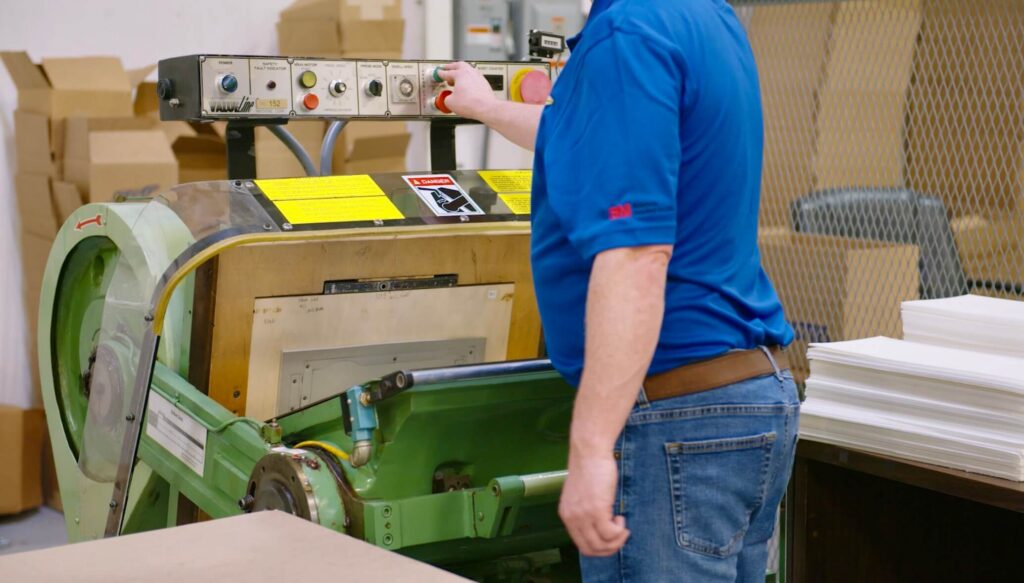
A die cut supplier does not have to make a catastrophic mistake to become a liability. More often, supplier problems appear gradually: tolerances start drifting, deliveries become less predictable, communication gets slower, or your team spends more time checking work that should arrive production-ready.
For procurement professionals and engineers, the question is not simply whether a supplier can make the part. It is whether that supplier can consistently support production without creating unnecessary risk, rework, or delays.
If you have started questioning the performance of your current custom die cutting supplier, these five red flags can help determine whether the relationship can be corrected or whether it may be time to find a new partner.
Red Flag #1: Die Cut Part Quality Is Becoming Inconsistent
One bad shipment can happen. A recurring pattern of inconsistent parts is different. If components that previously met specifications begin arriving with dimensional variation, poor edge quality, adhesive problems, material defects, or other inconsistencies, the supplier may have a process-control problem.
This becomes especially concerning when the same issue returns after corrective action was supposedly taken.
For production components, consistency matters just as much as the ability to hit a specification once. A reliable die cut supplier should be able to reproduce the approved component across production runs.
Warning signs can include:
- Increasing incoming inspection failures
- Parts falling outside specified tolerances
- Inconsistent adhesive placement or lamination
- Variation between production lots
- Repeated scrap, rework, or rejected parts
- Quality issues that reappear after being addressed
When your team begins increasing inspections because it no longer trusts incoming parts, supplier performance has already started creating additional cost.
Red Flag #2: Missed Die Cutting Lead Times Are Disrupting Production
A component that arrives late can affect much more than one purchase order. If the die cut part feeds an assembly, production cell, or finished product, a missed delivery can interfere with labor scheduling, inventory planning, downstream operations, customer commitments, and product launches.
Occasional disruptions are understandable. The larger concern is unpredictability. A supplier that repeatedly promises one delivery date and provides another makes it difficult for purchasing and production teams to plan confidently. Expediting orders may temporarily solve the immediate problem, but it does not correct an unreliable supply chain.
If your internal schedule routinely includes extra buffer simply because you do not trust your supplier’s stated lead time, that is a meaningful warning sign.
Red Flag #3: Communication Only Improves When There Is a Problem
Good supplier communication should happen before an issue becomes urgent. If getting an order update requires multiple emails, unanswered calls, or repeated follow-up, your team is absorbing work that should be handled by the supplier.
An even larger concern is discovering a problem only after a promised ship date has passed. A responsive die cut supplier should communicate proactively when there are questions about specifications, material availability, tooling, production schedules, or other factors that could affect the order.
You should also be able to reach someone who understands the project. For custom components, technical questions can require more than a generic customer service response.
Strong supplier communication gives engineers and buyers visibility. Poor communication leaves them guessing.
Red Flag #4: Your Supplier Cannot Help Solve Technical Problems
Custom die cutting is rarely just a matter of cutting a shape. Component performance can depend on the interaction between geometry, tolerances, material thickness, adhesives, liners, foams, films, and other material characteristics. Small specification decisions can influence both manufacturability and how the finished component performs in an assembly.
A capable supplier should therefore contribute technical knowledge during prototyping and production. If every technical decision falls back on your engineering team, you may be working with an order processor rather than a manufacturing partner.
This becomes particularly important when:
- Developing a new component
- Changing materials or adhesives
- Tightening tolerances
- Troubleshooting a recurring defect
- Moving from prototype quantities to production volumes
- Looking for opportunities to simplify the component or manufacturing process
A supplier does not need to design your product for you, but it should understand its own processes well enough to identify potential problems before they become rejected parts.
Red Flag #5: Managing the Supplier Is Becoming a Job of Its Own
Some supplier costs never appear on the purchase order.
Consider the time spent:
- Following up on late shipments
- Sorting questionable parts
- Requesting replacements
- Investigating recurring defects
- Explaining the same specifications repeatedly
- Coordinating emergency production changes
- Managing internal fallout from supplier delays
A low unit price becomes much less attractive when engineering, purchasing, quality, and production personnel regularly have to compensate for supplier shortcomings.
This is why evaluating a die cut supplier solely on quoted price can be misleading. Total supplier performance includes quality, responsiveness, delivery reliability, technical support, and the amount of internal effort required to keep orders moving.
The best supplier relationships should reduce workload, not create more of it.
When Should You Switch Die Cut Suppliers?
Switching suppliers involves work, so it makes sense to distinguish an isolated mistake from a persistent performance problem. Start by looking for patterns.
If the same quality, delivery, or communication problems continue after they have been clearly documented and discussed, the issue may be structural rather than temporary. Similarly, if supplier performance is affecting production schedules, quality metrics, or the amount of time your team spends managing orders, the cost of staying may be greater than the cost of qualifying another source.
Before switching, identify exactly what needs to improve with the next supplier. That may include:
- More consistent tolerances
- Faster or more dependable lead times
- Better material expertise
- Stronger quality controls
- Faster prototyping
- More responsive communication
- Capacity to scale into higher production volumes
Defining these requirements makes it easier to evaluate prospective suppliers based on the problems you actually need to solve.
What to Look for in a New Custom Die Cutting Supplier
If you have been burned by a supplier before, promises alone probably will not carry much weight. Look for capabilities and processes that directly address the weaknesses of the previous relationship.
Thrust Industries supports manufacturers that need precision custom components along with responsive technical support. Our capabilities include custom die cutting, laser cutting, lamination, and tape conversion for materials including adhesives, foams, films, and other specialized materials.
We can also support projects from prototype development through high-volume production, helping teams evaluate manufacturability before scaling an approved component.
As an ISO 9001:2015 certified supplier, we understand that repeatable quality and process control are essential when a component becomes part of an ongoing production program.
Just as importantly, we believe customers should be able to communicate directly with experienced team members who understand their application, specifications, and production requirements.
A Better Supplier Should Reduce Risk, Not Just Quote Parts
Changing die cut suppliers should ultimately solve a business problem.
Maybe the immediate trigger is a rejected shipment. Maybe it is another missed delivery. Or perhaps your team has simply reached the point where too much time is being spent managing a vendor that should be making your job easier. Whatever the trigger, use the experience to define what you need from the next supplier.
Quality, lead time, technical capability, communication, and consistency should all be part of that evaluation. The right supplier should help make your supply chain more predictable and give your team greater confidence that the components arriving at your facility will be ready when production needs them.
If your current die cut supplier is creating more problems than it solves, contact Thrust Industries. We can review your component requirements, materials, tolerances, and production needs and help determine the best path toward a more reliable supply.
 Die Cutting, Laser Cutting, or Waterjet: Which Process Is Right for Your Component?
  How to Write a Die Cut Specification That Prevents Rework and Rejected Parts
  How Advanced Foams and Films Are Changing Electronics Enclosures
 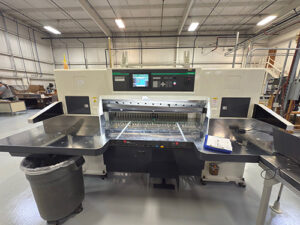 Thrust Industries Expands Capabilities with New Cutting Technology